Arterial Blood Gas Test
Comprehensive blood gas analysis to assess oxygen, carbon dioxide, and pH levels
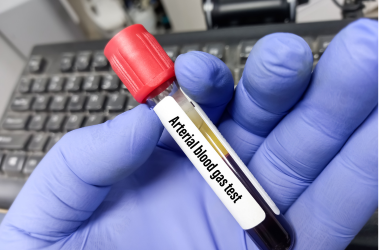
What is ABG Test?
Arterial Blood Gas (ABG) Test measures the levels of oxygen, carbon dioxide, and acid-base balance in arterial blood. This test evaluates respiratory function and metabolic status by analyzing a small blood sample taken from an artery, typically from the wrist or groin.
ABG testing is crucial for assessing lung function, diagnosing respiratory disorders, and monitoring patients with critical conditions like COPD, pneumonia, and acute respiratory distress.
Clinical Importance: ABG is the gold standard for assessing respiratory failure and guiding ventilator management in ICU settings.
Types of ABG Analysis
Respiratory Assessment
Measures oxygen (PaO2) and carbon dioxide (PaCO2) levels
pH Balance
Evaluates blood acidity and alkalinity levels
Bicarbonate Status
Measures metabolic components and buffering capacity
Key Parameters Measured
pH (7.35-7.45)
Blood acidity/alkalinity level
PaO2 (80-100 mmHg)
Partial pressure of oxygen
PaCO2 (35-45 mmHg)
Partial pressure of carbon dioxide
HCO3 (22-26 mEq/L)
Bicarbonate level
Base Excess (±2 mEq/L)
Metabolic alkalosis/acidosis indicator
Oxygen Saturation (95-100%)
Percentage of hemoglobin carrying oxygen
Indications for ABG Test
- Suspected respiratory failure or hypoxemia
- COPD and asthma exacerbation evaluation
- Pneumonia and acute respiratory infections
- Critically ill patient monitoring in ICU
- Post-operative respiratory assessment
- Metabolic or respiratory acidosis/alkalosis
- Monitoring mechanical ventilation effectiveness
- Sleep apnea and chronic respiratory conditions
Preparation for ABG Test
No Special Preparation Required
Can be performed anytime as needed
Inform About Medications
Tell doctor about blood thinners or anticoagulants
Allen's Test Performed
Checks collateral circulation before radial artery puncture
Procedure Steps
Site selection (radial artery at wrist is most common)
Area cleaned with antiseptic solution
Local anesthetic may be applied
Small amount of blood drawn using heparinized syringe
Pressure applied to site for 5-10 minutes to prevent bleeding
Sample immediately analyzed or placed on ice
After ABG Test
Quick Results
Results available within 15-30 minutes
Immediate Treatment Decisions
Treatment plan adjusted based on results immediately
Note: Minor bruising at puncture site is normal. Apply pressure if bleeding occurs.
Clinical Applications
Emergency Medicine
Rapid assessment of respiratory failure
Intensive Care Unit (ICU)
Ventilator management and monitoring
Pulmonology
COPD, asthma, pulmonary fibrosis evaluation
Anesthesiology
Perioperative respiratory monitoring
Normal Reference Values
*Values may vary slightly between laboratories
Request a Callback
Get expert advice within 24 hours
Other Tests
Explore our services
Emergency Contact
+91 813-044-8904
24/7 available for emergencies