Pulmonary Function Test (PFT)
Comprehensive lung function testing to diagnose asthma, COPD, and other respiratory conditions
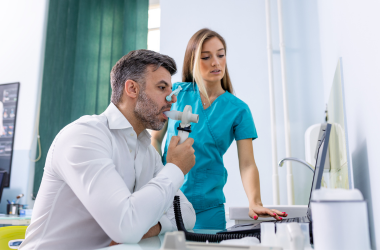
What is a Pulmonary Function Test?
A Pulmonary Function Test (PFT) is a non-invasive diagnostic test that measures how well your lungs are working. It evaluates lung volume, capacity, rates of flow, and gas exchange. These tests help diagnose and monitor respiratory conditions like asthma, COPD, pulmonary fibrosis, and other lung diseases.
PFTs are safe, painless, and provide valuable information about your respiratory health. The tests typically involve breathing into a mouthpiece connected to a machine called a spirometer, which records how much air you breathe in and out, and how quickly you exhale.
Why is PFT important? These tests help doctors:
- Diagnose lung diseases like asthma, COPD, and pulmonary fibrosis
- Monitor disease progression and treatment effectiveness
- Evaluate lung function before surgery
- Assess workplace exposure to harmful substances
- Measure disability in lung disease patients
Types of Pulmonary Function Tests
Spirometry
Measures how much air you inhale and exhale, and how quickly you exhale. Most common PFT for asthma and COPD diagnosis.
Lung Volume Test
Measures the total amount of air your lungs can hold (TLC, RV, FRC).
Diffusion Capacity Test
Measures how well oxygen passes from your lungs to your bloodstream.
Bronchodilator Reversibility Test
Measures lung function before and after medication to see if airways open up.
Peak Flow Test
Measures how fast you can exhale, often used for asthma monitoring.
Methacholine Challenge Test
Used to diagnose asthma when symptoms are unclear.
What Does PFT Measure?
Forced Vital Capacity
Total amount of air exhaled forcefully after deep breath
Forced Expiratory Volume
Amount of air exhaled in 1 second
Peak Expiratory Flow
Fastest rate of exhalation
Total Lung Capacity
Maximum amount of air lungs can hold
Diffusion Capacity
How well oxygen enters bloodstream
Residual Volume
Air remaining after complete exhalation
When is PFT Recommended?
- Chronic cough, wheezing, or shortness of breath
- Suspected asthma, COPD, or pulmonary fibrosis
- Pre-surgical evaluation (especially lung or heart surgery)
- Monitoring treatment response for lung diseases
- Occupational lung disease screening
- Disability assessment for lung conditions
- Unexplained exercise intolerance
- Smoking-related lung damage evaluation
How to Prepare for PFT
Medication Instructions
Inform your doctor about all medications. Some inhalers may need to be stopped before the test.
Food and Drink
Avoid heavy meals, caffeine, and alcohol for 4-6 hours before the test.
Clothing
Wear loose, comfortable clothing that doesn't restrict breathing.
Avoid Smoking
Do not smoke for at least 4-6 hours before the test.
What to Expect During the Test
The test typically takes 30-60 minutes and involves:
- Sitting in a comfortable position with a nose clip to prevent air leakage
- Breathing into a mouthpiece connected to the spirometer
- Taking a deep breath and exhaling forcefully and completely
- Repeating the test 3-5 times to ensure accurate results
- For some tests, breathing through a tube in a small booth
Note: The test is painless, but you may feel lightheaded or tired from deep breathing. Tell the technician if you feel dizzy or uncomfortable.
Understanding Your PFT Results
Normal Results
Results within 80-100% of predicted values based on age, height, gender, and ethnicity.
Obstructive Pattern
Reduced FEV1/FVC ratio - suggests asthma, COPD, or bronchitis.
Restrictive Pattern
Reduced TLC and FVC - suggests pulmonary fibrosis or chest wall disorders.
Mixed Pattern
Features of both obstructive and restrictive - suggests complex lung disease.
When PFT Should Be Avoided
- Recent heart attack or unstable angina
- Recent eye, chest, or abdominal surgery
- Active respiratory infection or coughing blood
- Uncontrolled high blood pressure
- Aneurysm risk
Why Choose Our PFT Center?
Advanced pulmonary diagnostics with expert interpretation
State-of-the-art Equipment
ATS/ERS compliant spirometers
Expert Pulmonologists
Accurate interpretation of results
Comprehensive Reports
Detailed analysis and recommendations
Quick Turnaround
Results available within 24 hours
Request a Callback
Get expert advice within 24 hours
Other Diagnostic Tests
Explore our specialized services
Emergency Contact
+91 813-044-8904
24/7 available for respiratory emergencies