Thoracoscopy (VATS)
Minimally invasive surgical procedure for lung biopsy, fluid removal, and pleural disease diagnosis
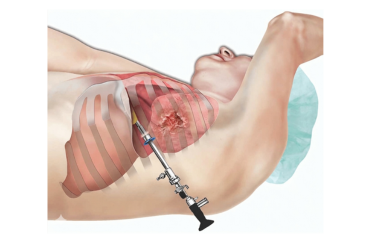
What is Thoracoscopy?
Thoracoscopy, also known as Video-Assisted Thoracoscopic Surgery (VATS), is a minimally invasive surgical procedure that allows physicians to visualize, diagnose, and treat conditions affecting the lungs and pleura. A thin telescope-like instrument called a thoracoscope is inserted through small incisions in the chest wall to view the lung's surface and pleural cavity.
Unlike traditional open chest surgery (thoracotomy), thoracoscopy requires only small incisions, resulting in less pain, faster recovery, and reduced hospital stay. The procedure provides direct visualization of lung tissue and can be used for both diagnostic biopsies and therapeutic interventions.
Why is Thoracoscopy important? It helps physicians:
- Obtain lung tissue samples for cancer, infection, or fibrosis diagnosis
- Remove fluid from the pleural space (pleural effusion)
- Evaluate pleural disease and thickening
- Perform lung resection for small tumors
- Address empyema and lung abscesses
Types of Thoracoscopy Procedures
Diagnostic Thoracoscopy
Used to obtain lung or pleural biopsies for pathological diagnosis.
Pleural Fluid Drainage
Removal of fluid from pleural space for treatment or analysis.
Pleurodesis
Adhesion of pleural surfaces to prevent recurrent effusion or pneumothorax.
Lung Biopsy
Direct visualization and sampling of lung tissue.
Empyema Treatment
Drainage and treatment of infected fluid in pleural space.
Lung Resection
Removal of lung tissue for small tumors or nodules.
Indications for Thoracoscopy
- Undiagnosed pleural effusion
- Suspected lung cancer or metastases
- Diagnosis of interstitial lung disease
- Empyema management
- Recurrent spontaneous pneumothorax
- Pleural thickening or mesothelioma
- Fever of unknown origin with pleural involvement
- Thoracic trauma with hemothorax
Advantages of VATS Over Open Surgery
✅ Smaller Incisions
1-3 cm incisions vs large thoracotomy incision
✅ Less Pain
Reduced post-operative pain and fewer narcotics
✅ Faster Recovery
Shorter hospital stay (1-3 days vs 5-7 days)
✅ Better Cosmesis
Minimal scarring
✅ Lower Complications
Reduced risk of infection and bleeding
✅ Earlier Return to Work
Return to normal activities in 2 weeks
Preparation for Thoracoscopy
Pre-operative Assessment
Complete blood tests, lung function tests, and chest X-ray required before procedure.
Fasting
Nil by mouth (NPO) for 6-8 hours before the procedure due to general anesthesia.
Medication Review
Inform doctor about blood thinners, aspirin, and other medications.
Anesthesia Consultation
Meet with anesthesiologist to discuss anesthesia risks and options.
What to Expect During Thoracoscopy
Thoracoscopy typically takes 30-60 minutes depending on the procedures performed:
- General anesthesia is administered for comfort and safety
- Small incisions (usually 1-3 cm) made between ribs
- Thoracoscope inserted to visualize lung and pleural cavity
- Biopsies, drainage, or therapeutic procedures performed
- Incisions closed with small sutures or staples
- Chest tube may be placed to drain air or fluid post-operatively
Recovery: Most patients go home within 24 hours. Full recovery takes 1-2 weeks. Avoid heavy lifting and strenuous activity during this period.
Post-Thoracoscopy Care
Pain Management
Prescribed analgesics to manage post-operative pain and discomfort.
Chest Tube Care
If chest tube is present, monitor drainage and keep the area clean and dry.
Activity Restrictions
Avoid heavy lifting, driving, and strenuous activities for 2-4 weeks.
Follow-up Visits
Attend scheduled follow-up appointments to monitor healing and discuss results.
Potential Risks & Complications
- Bleeding or hematoma at incision site
- Pneumothorax (air leak from lung)
- Infection at incision site or empyema
- Prolonged air leak requiring chest tube
- Damage to intercostal nerves (numbness)
- Reaction to anesthesia
- Persistent pain at incision sites
Note: Serious complications are rare (less than 5%). Your surgical team will monitor you closely.
Request a Callback
Get expert advice within 24 hours
Other Diagnostic Tests
Explore our specialized services
Emergency Contact
+91 813-044-8904
24/7 available for emergencies