Sputum Test
Detailed analysis of sputum samples to diagnose respiratory infections and diseases
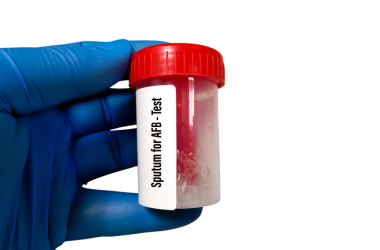
What is Sputum Test?
Sputum Test involves collecting and analyzing respiratory secretions (sputum) to diagnose bacterial, viral, or fungal respiratory infections. The sample is examined under a microscope and cultured to identify pathogens causing lung diseases.
This test is essential for diagnosing tuberculosis, pneumonia, bronchitis, and other respiratory tract infections, helping guide targeted antibiotic therapy.
Why is Sputum Test Important?
- Identifies the specific cause of respiratory infection
- Helps differentiate between bacterial, viral, and fungal infections
- Guides appropriate antibiotic selection
- Monitors treatment response in TB patients
Types of Sputum Tests
Gram Stain
Identifies bacteria types and microscopic examination. Results in 24 hours.
Culture & Sensitivity
Grows organisms to identify exact pathogens and determines effective antibiotics. Results in 48-72 hours.
AFB Smear & Culture
Specifically detects tuberculosis bacilli. AFB smear in 24 hours, culture in 2-6 weeks.
Fungal Culture
Identifies fungal respiratory infections. Results in 3-7 days.
Indications for Sputum Test
- Persistent cough lasting more than 3 weeks
- Suspected tuberculosis diagnosis
- Bacterial pneumonia evaluation
- Fever with respiratory symptoms
- Immunocompromised patients with respiratory infection
- Monitoring TB treatment response
- Chronic bronchitis or bronchiectasis exacerbations
- Healthcare-associated pneumonia
Sputum Collection Process
Early Morning Sample
Collected early morning immediately after waking up for best quality
Sterile Container
Collected in sterile container provided by the laboratory
Deep Cough Technique
Cough deeply from chest, not just throat saliva
Rinse Mouth First
Rinse mouth with water before collection to reduce contamination
What to Expect
The sputum test procedure involves:
- You will be given a sterile collection cup
- Rinse your mouth with water to remove food particles
- Take a deep breath and cough deeply from your chest
- Spit the sputum (not saliva) directly into the cup
- Repeat until you have about 1-2 teaspoons of sputum
- Close the cup tightly and wash your hands
- Submit the sample to the lab as instructed
Note: If you cannot produce sputum naturally, a respiratory therapist may use nebulized saline to help induce a sample.
After Sputum Test
Results Timeline
Gram stain: 24 hours | Culture: 48-72 hours | TB culture: 2-6 weeks
Targeted Treatment
Treatment adjusted based on identified organism and sensitivity results
Understanding Your Results
✅ Normal (Negative)
No pathogenic organisms identified. May indicate viral infection or non-infectious condition.
⚠️ Abnormal (Positive)
Pathogen identified. Sensitivity testing shows which antibiotics will work.
Common Pathogens Detected
🦠 Bacteria
- Streptococcus pneumoniae
- Haemophilus influenzae
- Staphylococcus aureus
- Klebsiella pneumoniae
- Pseudomonas aeruginosa
- Mycobacterium tuberculosis
🍄 Fungi & Others
- Aspergillus species
- Candida species
- Pneumocystis jirovecii
- Respiratory viruses
Limitations & Considerations
• Sample quality: Poor quality samples (mostly saliva) may give false negatives
• Prior antibiotics: Recent antibiotic use can suppress bacterial growth
• Timing: Multiple samples may be needed for accurate diagnosis, especially for TB
• Contamination: Normal oral flora can contaminate the sample
Request a Callback
Get expert advice within 24 hours
Other Diagnostic Tests
Explore our specialized services
Emergency Contact
+91 813-044-8904
24/7 available for emergencies