Bronchoscopy
Direct visualization of airways for diagnosis and treatment of lung conditions
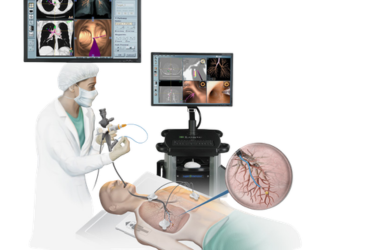
What is Bronchoscopy?
A Bronchoscopy is a procedure that allows doctors to examine the inside of your airways (trachea and bronchi) using a thin, flexible tube called a bronchoscope. The bronchoscope has a light and camera that transmits images to a video screen, allowing for real-time visualization of the lungs.
This procedure is essential for diagnosing various lung conditions, collecting tissue samples (biopsies), removing foreign objects, and treating airway blockages.
Why is Bronchoscopy Important?
- Direct visualization of airway abnormalities
- Collect tissue samples for biopsy
- Remove foreign bodies from airways
- Treat airway blockages or strictures
- Diagnose lung infections
Types of Bronchoscopy
Flexible Bronchoscopy
Most common type using a thin, flexible tube. Can reach smaller airways. Used for most diagnostic purposes.
Rigid Bronchoscopy
Uses a straight, hollow metal tube. Used for removing large foreign bodies or placing stents.
Navigational Bronchoscopy
Uses electromagnetic navigation to reach peripheral lung nodules.
Endobronchial Ultrasound (EBUS)
Combines bronchoscopy with ultrasound to visualize lymph nodes.
When is Bronchoscopy Recommended?
Diagnostic Purposes
- Unexplained persistent cough
- Coughing up blood (hemoptysis)
- Abnormal chest X-ray or CT
- Suspected lung cancer
- Recurrent pneumonia
- Suspected tuberculosis
Therapeutic Purposes
- Remove foreign objects
- Clear mucus plugs or clots
- Treat airway blockages
- Remove tumors
- Control bleeding
Conditions Diagnosed
How to Prepare
Fasting Instructions
Do not eat or drink anything for 6-8 hours before the procedure.
Medication Adjustments
Blood thinners may need to be stopped 5-7 days before.
Arrange Transportation
You cannot drive for 24 hours. Arrange for someone to take you home.
Medical History
Inform about allergies, bleeding disorders, and pregnancy.
What to Expect
The procedure typically takes 30-60 minutes and involves:
- Preparation: IV line placed for sedation
- Anesthesia: Local anesthetic numbs your throat
- Insertion: Bronchoscope passed through nose/mouth
- Examination: Airways examined on video screen
- Procedures: Biopsy, lavage, or other interventions
- Recovery: Monitored for 1-2 hours
Risks & Complications
Common (Mild)
- Sore throat (temporary)
- Hoarseness
- Mild coughing
- Small amount of blood
Rare (Serious)
- Pneumothorax (1-2%)
- Significant bleeding
- Infection
- Reaction to sedation
Why Choose Our Bronchoscopy Center?
Advanced interventional pulmonology with expert care
Advanced Technology
EBUS, Navigational available
Expert Pulmonologists
Specialized in interventional pulmonology
High Success Rate
Low complication rates
Quick Recovery
Same-day discharge
Request a Callback
Get expert advice within 24 hours
Other Tests
Explore our services
Emergency Contact
+91 813-044-8904
24/7 available for respiratory emergencies