Blood Test
Essential diagnostic blood tests for respiratory and pulmonary conditions
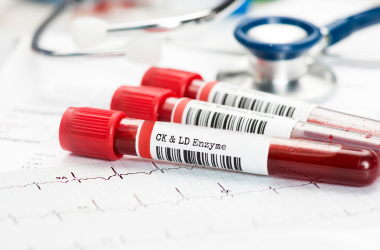
What are Blood Tests?
Blood tests are essential diagnostic tools that analyze blood samples to assess overall health, detect infections, evaluate organ function, and diagnose various medical conditions including respiratory and pulmonary diseases.
In pulmonology, blood tests help diagnose infections like pneumonia and tuberculosis, assess oxygen levels, detect allergies, evaluate immune function, and monitor chronic lung diseases like COPD and asthma.
Why are Blood Tests Important for Lung Health?
- Detect infections in lungs and respiratory tract
- Measure oxygen and carbon dioxide levels
- Identify allergic triggers for asthma
- Monitor inflammation in chronic lung diseases
- Evaluate response to treatment
- Screen for underlying conditions affecting lungs
Common Blood Tests for Lung Conditions
Complete Blood Count (CBC)
Detects infections, anemia, and blood disorders. Elevated WBC indicates infection.
Arterial Blood Gas (ABG)
Measures oxygen, carbon dioxide, and blood pH levels. Essential for respiratory failure.
C-reactive Protein (CRP)
Indicates inflammation in lungs and body. Elevated in pneumonia, COPD exacerbations.
Erythrocyte Sedimentation Rate (ESR)
Measures inflammation. Elevated in TB, lung infections, and autoimmune lung diseases.
Procalcitonin (PCT)
Distinguishes bacterial from viral pneumonia. Guides antibiotic use.
D-dimer
Screens for pulmonary embolism (blood clot in lungs).
Allergy Tests (IgE)
Detects allergic triggers for asthma and allergic bronchopulmonary aspergillosis.
Interferon-Gamma Release Assay (IGRA)
Screens for tuberculosis infection (TB blood test).
Autoantibody Tests
Diagnose autoimmune lung diseases like rheumatoid lung, lupus, or sarcoidosis.
Blood Culture
Identifies bacteria causing pneumonia or sepsis.
When are Blood Tests Recommended?
- Fever with respiratory symptoms (cough, shortness of breath)
- Suspected pneumonia, tuberculosis, or lung infection
- Unexplained weight loss, fatigue, or night sweats
- Monitoring chronic lung diseases (COPD, asthma, ILD)
- Before starting immunosuppressive or biologic therapy
- Suspected pulmonary embolism (blood clot in lungs)
- Allergy evaluation for asthma triggers
- Pre-surgical evaluation for lung surgery
- Monitoring response to TB treatment
- Evaluating oxygen levels in blood
Respiratory Conditions Diagnosed with Blood Tests
How to Prepare for Blood Test
Fasting Requirements
Some tests require 8-12 hours of fasting. Follow doctor's instructions carefully.
Medication Information
Inform about all medications, as some may affect test results.
Stay Hydrated
Drink water before test to make veins easier to locate.
Wear Comfortable Clothing
Sleeves that can be easily rolled up for blood draw.
Inform About Bleeding Disorders
Tell technician if you have bleeding disorders or take blood thinners.
What to Expect During Blood Test
The blood draw procedure takes 5-10 minutes:
- Site Selection: Technician selects vein (usually inside elbow or back of hand)
- Cleaning: Area is cleaned with antiseptic wipe
- Tourniquet: Elastic band applied to make veins more visible
- Blood Draw: Needle inserted to collect blood in tubes
- Pressure: Cotton ball applied to stop bleeding
- Bandage: Small bandage placed over site
Note: The test causes minimal discomfort (quick pinch). You can resume normal activities immediately after.
Understanding Blood Test Results
Normal Result
Values within reference range. No significant abnormalities detected.
Abnormal Result
Values outside normal range. May indicate infection, inflammation, or other conditions.
Result Timeline
Basic tests: 2-4 hours. Specialized tests: 1-7 days. TB IGRA: 24-48 hours.
Follow-up
Doctor will explain results and recommend further tests or treatment if needed.
Safety and Risks
Minimal Risks
- Minor bruising at puncture site
- Small amount of bleeding
- Lightheadedness or dizziness (rare)
- Slight discomfort during needle insertion
When to Call Doctor
- Excessive bleeding
- Signs of infection at puncture site
- Severe pain or swelling
- Prolonged dizziness
Why Choose Our Laboratory?
Accurate results with advanced technology and expert interpretation
NABL Accredited
Quality certified lab
Expert Pathologists
Specialized in pulmonary testing
Fast Reports
Results within 24 hours
Home Collection
Convenient sample pickup
Request a Callback
Get expert advice within 24 hours
Other Tests
Explore our services
Emergency Contact
+91 813-044-8904
24/7 available for respiratory emergencies