FeNO Test (Fractional Exhaled Nitric Oxide)
Non-invasive test measuring airway inflammation to diagnose and manage asthma
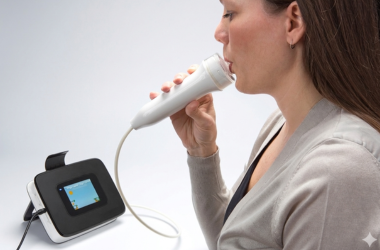
What is FeNO Test?
FeNO (Fractional Exhaled Nitric Oxide) is a simple, non-invasive test that measures the amount of nitric oxide in your breath. Elevated levels of nitric oxide indicate airway inflammation, which is characteristic of asthma and allergic conditions. This test helps physicians assess whether your airway inflammation is eosinophilic and responsive to corticosteroid therapy.
The FeNO test is quick (takes 10-15 minutes), painless, and provides valuable information about airway inflammation status. It complements spirometry and clinical assessment in diagnosing and managing asthma, particularly useful in identifying steroid-responsive airway inflammation.
Why is FeNO test important? It helps physicians:
- Diagnose asthma, especially in patients with normal spirometry
- Assess severity of airway inflammation
- Monitor response to anti-inflammatory therapy
- Guide treatment decisions (steroid therapy)
- Predict risk of asthma exacerbation
Interpretation of FeNO Values
Low FeNO (Less than 25 ppb)
Indicates absence of eosinophilic airway inflammation. Asthma unlikely if other features absent.
Intermediate FeNO (25-50 ppb)
Suggests possible eosinophilic inflammation. Further evaluation recommended.
High FeNO (Greater than 50 ppb)
Indicates significant eosinophilic airway inflammation. Strongly suggests asthma.
Clinical Correlation
FeNO results should be interpreted with symptoms, spirometry, and clinical context.
Indications for FeNO Test
- Suspected asthma with normal spirometry
- Assessment of eosinophilic airway inflammation
- Differentiation between asthma and non-asthma dyspnea
- Monitoring asthma control and inflammation
- Predicting steroid responsiveness
- Assessing risk of asthma exacerbation
- Evaluation of cough and dyspnea of unclear etiology
- Drug-resistant asthma evaluation
Preparation for FeNO Test
Fasting
No eating or drinking for at least 1 hour before the test.
Avoid Nasal Inhaler Use
Stop using nasal inhalers for 1-2 hours before the test.
Comfortable Clothing
Wear loose, comfortable clothing for easy breathing.
No Smoking
Refrain from smoking for at least 24 hours before the test.
How the FeNO Test is Performed
The FeNO test typically takes 10-15 minutes:
- You breathe through a special mouthpiece connected to a FeNO analyzer
- Instructions are given to inhale deeply and exhale slowly at a steady rate
- The analyzer measures nitric oxide concentration during exhalation
- Results are displayed immediately in parts per billion (ppb)
- Multiple measurements may be taken for accuracy
- No needles, no radiation, no discomfort involved
No side effects: The FeNO test is completely safe with no known side effects. Even patients with severe asthma can safely undergo this test.
After the FeNO Test
Immediate Resume Activity
You can immediately resume normal activities. No recovery time needed.
Results Interpretation
Doctor will interpret results in context of your symptoms and other tests.
Treatment Planning
Results guide treatment decisions including corticosteroid therapy initiation.
Follow-up Testing
Periodic FeNO testing can monitor inflammation control on therapy.
Clinical Applications
Asthma Diagnosis
Confirms eosinophilic airway inflammation
Treatment Monitoring
Tracks response to anti-inflammatory therapy
Occupational Asthma
Identifies work-related airway inflammation
Allergic Rhinitis
Assesses upper airway inflammation
Request a Callback
Get expert advice within 24 hours
Other Diagnostic Tests
Explore our specialized services
Emergency Contact
+91 813-044-8904
24/7 available for emergencies