Sleep Study (Polysomnography)
Comprehensive overnight monitoring to diagnose sleep disorders and breathing abnormalities
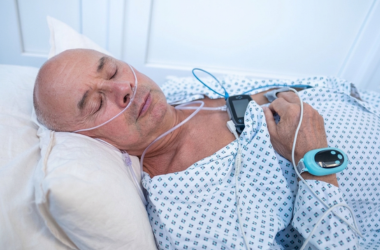
What is a Sleep Study?
A Sleep Study (Polysomnography) is an overnight diagnostic test that monitors brain waves, heart rate, oxygen levels, breathing patterns, and eye movements during sleep. This comprehensive test helps diagnose sleep disorders like obstructive sleep apnea (OSA), narcolepsy, restless leg syndrome, and other sleep-related breathing disorders.
Sleep studies are performed in a comfortable sleep laboratory where patients sleep while sensors and monitoring equipment record various physiological parameters.
Why is Sleep Study Important? It helps:
- Diagnose obstructive sleep apnea (OSA)
- Identify central sleep apnea and mixed apnea
- Diagnose narcolepsy and other sleep disorders
- Evaluate insomnia and sleep quality issues
- Guide treatment decisions and CPAP therapy
Types of Sleep Studies
In-Lab PSG
Full polysomnography performed in sleep laboratory overnight
Home Sleep Apnea Test
Portable device used at home for OSA screening
CPAP Titration Study
Overnight study to determine optimal CPAP pressure
Split-Night Study
Diagnostic PSG followed by CPAP titration
MSLT
Measures daytime sleepiness, diagnoses narcolepsy
Indications for Sleep Study
- Excessive daytime sleepiness and fatigue
- Chronic loud snoring and witnessed apneas
- Abrupt awakening with gasping or choking
- Restless leg syndrome symptoms
- Insomnia and sleep disturbance complaints
- Sleep-related behavior disorders
- Unexplained hypertension
- Suspected narcolepsy or cataplexy
What Does a Sleep Study Measure?
🧠 Brain Activity (EEG)
Sleep stages and quality
👁️ Eye Movement (EOG)
REM sleep detection
💪 Muscle Tone (EMG)
Body movements and leg kicks
❤️ Heart Rate (ECG)
Cardiac rhythm and rate
🌬️ Breathing
Airflow, respiratory effort, apneas
💨 Oxygen Levels
Pulse oximetry for oxygen desaturation
Preparation for Sleep Study
Avoid Caffeine and Alcohol
No caffeine after 2 PM, avoid alcohol 48 hours before
No Daytime Naps
Avoid napping for 24 hours before the study
Medication Review
Inform technician about medications affecting sleep
Bring Personal Items
Bring pajamas, toiletries, and comfort items
What to Expect
Typical sleep study experience:
- Arrive at sleep laboratory 30-60 minutes before bedtime
- Technician applies electrodes and sensors
- Monitors EEG, eye movement, muscle tone, heart rate, breathing
- Pulse oximeter monitors oxygen saturation
- Sleep for 6-8 hours with technician monitoring
- Sensors removed in morning after study
Comfort: Laboratory room resembles a hotel bedroom. Most patients sleep normally despite sensors.
After Sleep Study
Data Analysis
Sleep specialist analyzes data. Results in 1-2 weeks
Diagnosis Report
Detailed report identifying any sleep disorders
Treatment Recommendations
Personalized plan including CPAP or lifestyle changes
Follow-up Consultation
Schedule appointment to discuss results
Understanding Sleep Study Results
*AHI: 5-15 mild, 15-30 moderate, >30 severe sleep apnea
Request a Callback
Get expert advice within 24 hours
Other Diagnostic Tests
Explore our specialized services
Emergency Contact
+91 813-044-8904
24/7 available for emergencies