Nasobronchial Allergy
Comprehensive care for allergic rhinitis and allergic asthma — the "united airways" disease. Our allergy specialists provide advanced diagnostic testing, immunotherapy, and personalized treatment plans.
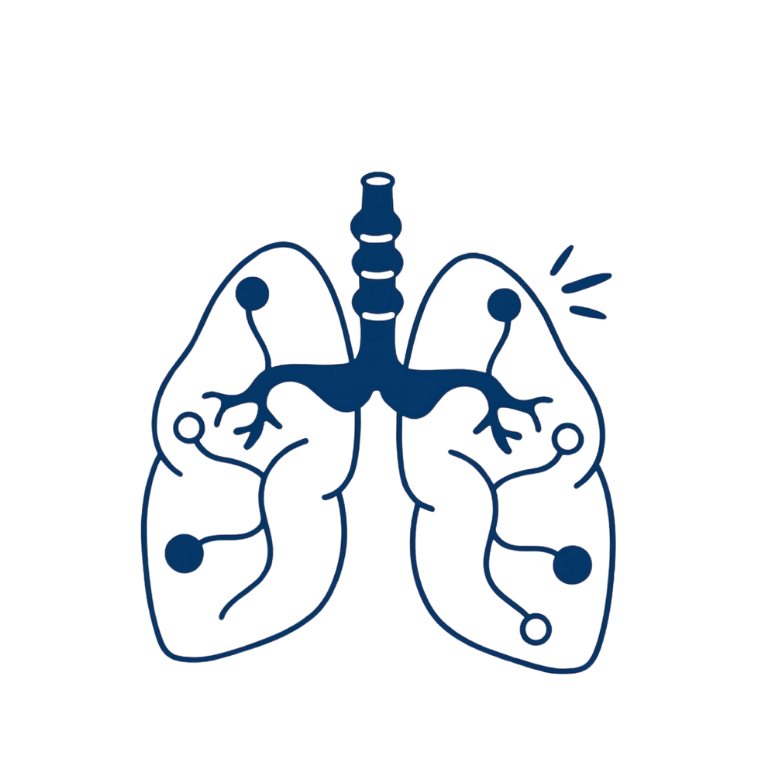
Understanding Nasobronchial Allergy
Nasobronchial allergy refers to the close relationship between allergic rhinitis (hay fever) and allergic asthma — often described as "one airway, one disease." The same allergic inflammation that affects the upper airways (nose and sinuses) frequently affects the lower airways (bronchi), leading to both nasal and respiratory symptoms.
Approximately 80% of patients with asthma have allergic rhinitis, and 20-40% of patients with allergic rhinitis have asthma. This connection is so strong that the term "united airways disease" (UAD) is now widely used. Treating the upper airway can significantly improve lower airway symptoms.
Did You Know? Allergic rhinitis affects 10-30% of adults and up to 40% of children worldwide. It is a major risk factor for developing asthma.
Types of Allergic Conditions
Allergic Rhinitis (Nasal)
- Seasonal: Triggered by pollen (trees, grass, weeds)
- Perennial: Year-round (dust mites, pet dander, mold)
- Occupational: Work-related allergens
- Local Allergic Rhinitis: Nasal symptoms only
Allergic Asthma (Bronchial)
- Extrinsic: Triggered by allergens
- Intrinsic: Non-allergic triggers
- Exercise-induced: Physical activity
- Occupational asthma: Work-related
Common Allergens
Pollen
Tree, grass, weed pollen — seasonal
Dust Mites
Microscopic insects in bedding, carpets
Pet Dander
Cats, dogs, rodents, birds
Mold Spores
Indoor and outdoor mold
Cockroaches
Common in urban areas
Food Allergens
Less common cause of respiratory symptoms
Symptoms of Nasobronchial Allergy
Nasal Symptoms (Rhinitis)
- Sneezing (especially in mornings)
- Runny nose (clear, watery discharge)
- Nasal congestion/stuffiness
- Itchy nose, eyes, palate, throat
- Postnasal drip (mucus down throat)
- Loss of smell (anosmia)
- Allergic shiners (dark circles under eyes)
- Allergic salute (rubbing nose upward)
Bronchial Symptoms (Asthma)
- Wheezing (whistling sound when breathing)
- Chest tightness or pressure
- Shortness of breath
- Chronic cough (especially at night)
- Difficulty exercising
- Rapid breathing (tachypnea)
- Symptoms worse at night or early morning
The "United Airways" Concept
The upper and lower airways are anatomically and functionally connected. Inflammation in one area affects the other:
Allergic rhinitis → Postnasal drip → Asthma triggers
Asthma → Shared inflammatory pathways → Nasal symptoms
Clinical Implication: Treating allergic rhinitis improves asthma control and reduces asthma exacerbations.
Diagnostic Process
Allergy Testing
- Skin Prick Test (SPT): Gold standard — results in 15-20 minutes
- Intradermal Testing: More sensitive for certain allergens
- Specific IgE Blood Test: For patients on antihistamines or with skin conditions
- Patch Testing: For delayed-type allergic reactions
Asthma Evaluation
- Spirometry: Measures lung function (FEV1, FVC, FEV1/FVC ratio)
- Bronchodilator Reversibility: Response to albuterol (≥12% improvement)
- Peak Flow Monitoring: Track daily variability
- Methacholine Challenge Test: For suspected asthma with normal spirometry
- FeNO Test: Measures eosinophilic airway inflammation
Nasal Evaluation
- Nasal Endoscopy: Visualize nasal passages, polyps
- Allergy Skin Testing: Identify triggers
- Total IgE: Blood test for allergic tendency
- Eosinophil Count: Elevated in allergic conditions
Treatment Options
Allergen Avoidance
Dust Mites:
- Use allergen-proof mattress/pillow covers
- Wash bedding weekly in hot water (130°F)
- Remove carpets, stuffed animals
- Maintain humidity <50%
Pollen:
- Keep windows closed during high pollen
- Use HEPA air purifier
- Shower after outdoor exposure
- Check pollen counts daily
Pet Dander:
- Keep pets out of bedroom
- Use HEPA air cleaner
- Bathe pets weekly
- Consider pet-free home
Mold:
- Fix water leaks promptly
- Use dehumidifier in basements
- Clean mold with bleach solution
- Ensure bathroom ventilation
Medications
Nasal Medications
- Intranasal Corticosteroids: Fluticasone, Mometasone, Budesonide — first-line
- Antihistamine Nasal Sprays: Azelastine, Olopatadine
- Combination Sprays: Dymista (azelastine + fluticasone)
- Nasal Saline Irrigation: Rinse allergens/mucus
Oral Medications
- Oral Antihistamines: Cetirizine, Loratadine, Fexofenadine, Levocetirizine
- Leukotriene Receptor Antagonists: Montelukast (Singulair) — treats both nose and lungs
- Decongestants: Pseudoephedrine (short-term use)
Asthma Medications
- Inhaled Corticosteroids (ICS): Fluticasone, Budesonide — controller
- ICS/LABA Combos: Symbicort, Advair, Breo
- Rescue Inhalers: Albuterol, Levalbuterol
- Biologics: Omalizumab (Xolair), Mepolizumab (Nucala) — for severe asthma
Emergency Medications
- Oral Corticosteroids: Prednisone for acute exacerbations
- Epinephrine Auto-injector: For anaphylaxis
Immunotherapy (Allergy Shots / Drops)
The only disease-modifying treatment that can change the immune system's response to allergens and potentially prevent asthma development.
SCIT (Subcutaneous Immunotherapy)
- Traditional allergy shots
- Weekly to monthly injections
- Build-up phase (3-6 months) then maintenance (3-5 years)
- 90% effective for allergic rhinitis
- Risk of systemic reactions (administered in clinic)
SLIT (Sublingual Immunotherapy)
- Under-the-tongue drops or tablets
- Daily home administration
- Available for grass, ragweed, dust mites
- No needles, lower risk of severe reactions
- Convenient for patients of all ages
Asthma Action Plan (Color Zones)
Green Zone
Good Control
No symptoms, PEF >80%
Continue controller meds
Yellow Zone
Caution
Mild symptoms, PEF 50-80%
Add rescue meds, increase controller
Red Zone
Medical Alert
Severe symptoms, PEF <50%
Take rescue meds, call 911
Seek emergency care for asthma if:
- Rescue inhaler doesn't provide relief after 10-15 minutes
- Unable to speak full sentences due to breathlessness
- Bluish lips or fingernails (cyanosis)
- Chest retractions (sucking in of ribs)
- Confusion or drowsiness
- Rapid pulse and sweating
- Peak flow drops to red zone
Why Choose Our Allergy Center?
Comprehensive allergy and asthma care
Board-Certified Allergists
Expert in immunology
Comprehensive Testing
Skin and blood testing
Immunotherapy Program
Shots and sublingual options
Asthma Management
Pulmonary function lab
Book a Consultation
Get expert allergy care
Other Treatments
Explore our specialized services
Emergency Contact
+91 813-044-8904
24/7 available for severe allergic reactions