Electrocardiogram (ECG)
Non-invasive cardiac test to detect heart rhythm abnormalities and electrical activity
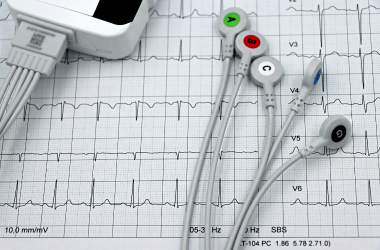
What is an Electrocardiogram (ECG)?
An Electrocardiogram (ECG or EKG) is a simple, non-invasive test that records the electrical activity of the heart. It detects and displays the heart's rhythm pattern, showing how fast the heart is beating and whether the rhythm is steady or irregular. ECG is one of the most common cardiac diagnostic tools used in modern medicine.
The test is quick, painless, and provides valuable information about heart health. It helps diagnose arrhythmias, coronary artery disease, heart attacks, and other cardiac conditions. ECG is often used as a screening tool and baseline measurement for cardiac assessment.
Why is ECG Important? It helps:
- Detect heart rhythm abnormalities (arrhythmias)
- Identify signs of heart attack
- Evaluate chest pain and palpitations
- Screen for structural heart disease
- Monitor effectiveness of cardiac medications
Types of ECG Tests
Resting ECG
12-lead ECG recorded while patient is at rest, standard diagnostic test
Stress ECG
ECG recorded during exercise to assess cardiac response to physical stress
Holter Monitor
Portable ECG recorder worn for 24-48 hours to detect intermittent arrhythmias
Event Monitor
Portable device that records ECG when symptoms occur, used for weeks
Signal-Averaged ECG
High-resolution ECG to detect electrical abnormalities predisposing to arrhythmias
Ambulatory ECG
Continuous monitoring during normal daily activities to identify patterns
ECG Measurements and Components
Heart Rate
Number of heartbeats per minute (60-100 bpm normal)
PR Interval
Time between atrial and ventricular depolarization
QRS Complex
Ventricular depolarization duration
ST Segment
Elevation or depression indicating ischemia
QT Interval
Time for ventricular repolarization
Electrical Axis
Overall direction of cardiac electrical activity
When is ECG Recommended?
- Chest pain or pressure
- Shortness of breath
- Palpitations or irregular heartbeat
- Pre-surgical cardiac assessment
- Routine health screening
- Monitoring chronic heart conditions
- Evaluation of syncope (fainting)
- Assessment of cardiac medication effects
How to Prepare for ECG
Wear Comfortable Clothes
Easy-to-remove upper clothing for electrode placement
Rest Before Test
Relax for 5 minutes before testing for accurate baseline
No Cosmetics
Avoid body lotions or cosmetics on chest for better electrode contact
Inform About Medications
Tell technician about cardiac or other medications being taken
What to Expect During ECG
A typical resting ECG takes only 5-10 minutes:
- Lie on back in a comfortable position
- Small electrode pads placed on chest and limbs
- Machine records heart's electrical signals
- Hold still and breathe normally
- Test is painless and non-invasive
Note: No pain or discomfort expected. Some patients with sensitive skin may experience minor irritation from adhesive pads. Results are usually available within minutes to hours.
Understanding Your ECG Results
Normal ECG
Regular rhythm, normal rate, and normal electrical conduction
Arrhythmia
Abnormal heart rhythm requiring further evaluation and treatment
Ischemia/Infarction
ST changes indicating reduced blood flow or heart attack
Left Ventricular Hypertrophy
Enlarged heart muscle requiring cardiac evaluation
Why Choose Our ECG Center?
Advanced cardiac diagnostic services with expert cardiologist evaluation
Modern Equipment
Latest ECG machines with advanced signal processing
Expert Cardiologists
Board-certified specialists for accurate interpretation
Detailed Reports
Comprehensive interpretation with clinical recommendations
Quick Results
Immediate test completion with prompt reporting
Request a Callback
Get expert advice within 24 hours
Other Diagnostic Tests
Explore our specialized services
Emergency Contact
+91 813-044-8904
24/7 available for cardiac emergencies